The AC blog offers new perspectives around how justice in the arts is interpreted, documented, and enacted.
The Alternate Currents blog is home to an extensive archive of articles, interviews, critical writing, and creative research that bring issues around justice in the arts into clearer focus.
Interview with Mi’oux Stabler
“I think I’m here to help people learn about this land and how we can come back into relationship with it after all the damage that’s been done.”
Panel Discussion
“We have to move beyond the definition of public artwork as an amenity and think of it as a tool for creating social connection.”
Interview with Jewel Rodgers
“What histories embed themselves into our bodies and the bodies of the people we love?”
Panel Discussion
“The history of plants, cultural identity, and survivance are all tied together here.”
by Jessie Fisher and Viy
“The idea of humans defined as against/outside nature is deeply embedded in our dominant culture.”
by Sener
“We must be part of the cultural and technological changes as proactive developers rather than passive consumers.”
Panel Discussion
“If you're hunting without respect or doing ecological damage, Deer Man shows up.”
by John Paul
“There were many fears at the beginning of the war—but none greater than the sense of doom that seemed at once incredible and certain.”
Panel Discussion
“Varying degrees of entropy in everything we do means that things are going to fall through.”
Panel Discussion
“To become interested, to become aware and compost, is such an easy way into that system of reciprocity and care with what is around you.”
by Lydia Cheshewalla
“The fire burns all night and there are many awakenings and many small deaths.”
by Alajia McKizia
“Just as two notes come together: a moment of divine harmony
Is green matter and brown matter perfectly balanced?”
by 陳原君 | Yuanjun Chen
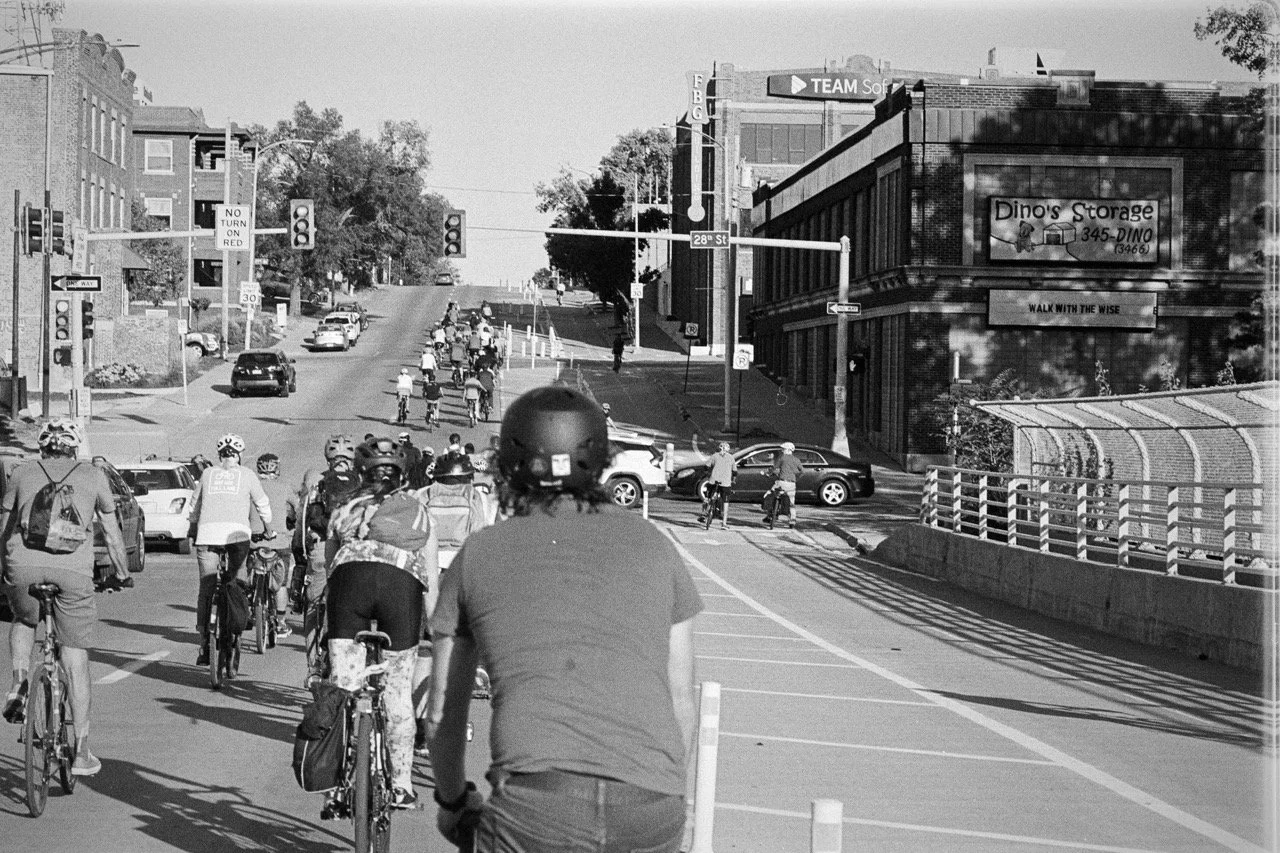
“On the evening of September 29, 2022, a protest took place at Dewey Park to oppose the removal of the Harney Street bike lane.”
by Viy
“Refuse the narrow definitions of value and use that are assigned to objects by capitalism.”
“The struggles of artists and cultural workers for fair compensation and financial stability/sustainability cannot and should not exist independent of struggles for housing, healthcare, education, and protections led by people from all walks of life.”
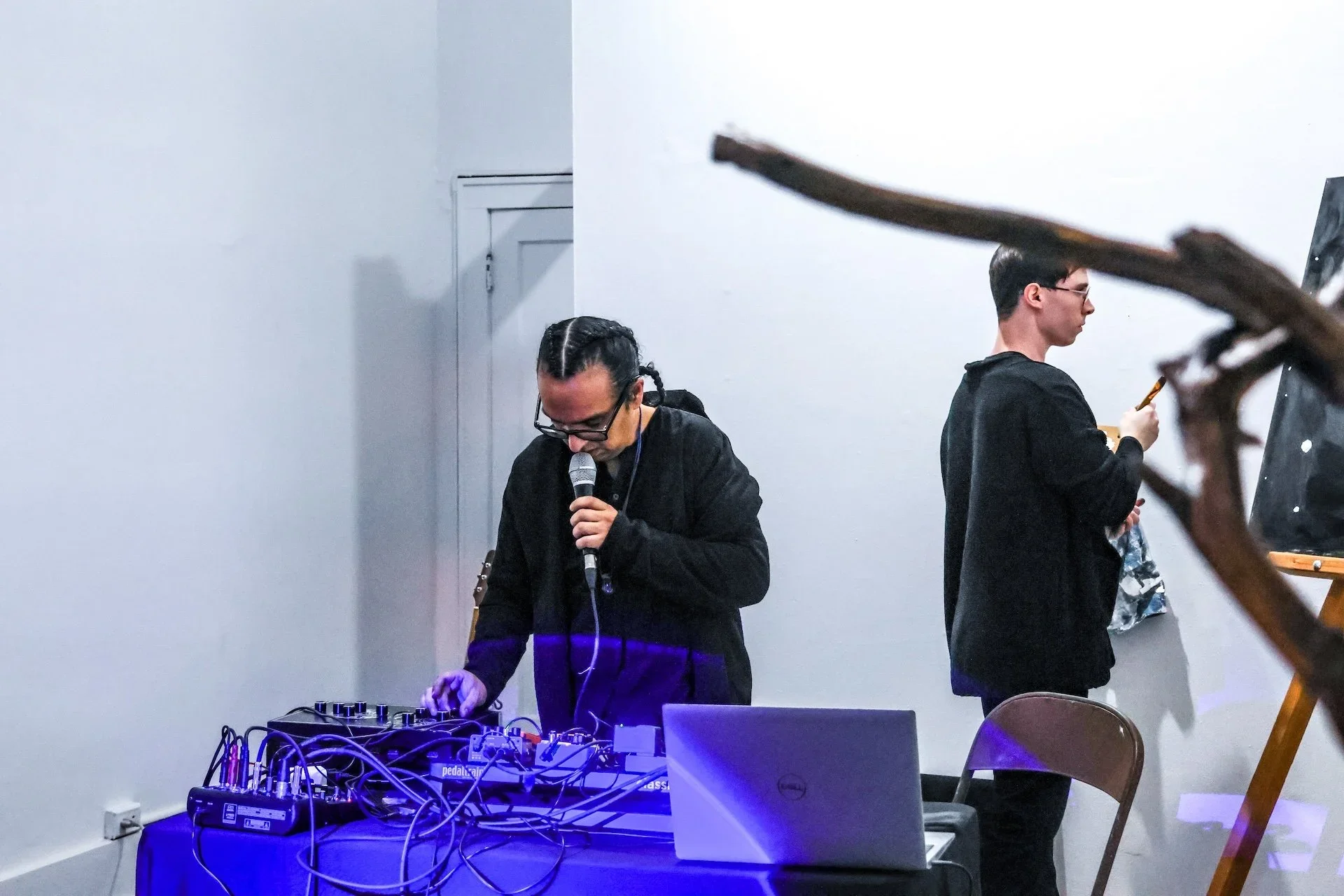
“The composition layers keyboard played by Mary Elizabeth Jo Dixen Pelenaise Kapi’olani Lawson, her vocals (chanting, reading, humming), sounds inside a kitchen, and the voice of Paul Stephen Benjamin singing ‘Black Is the Color.’”
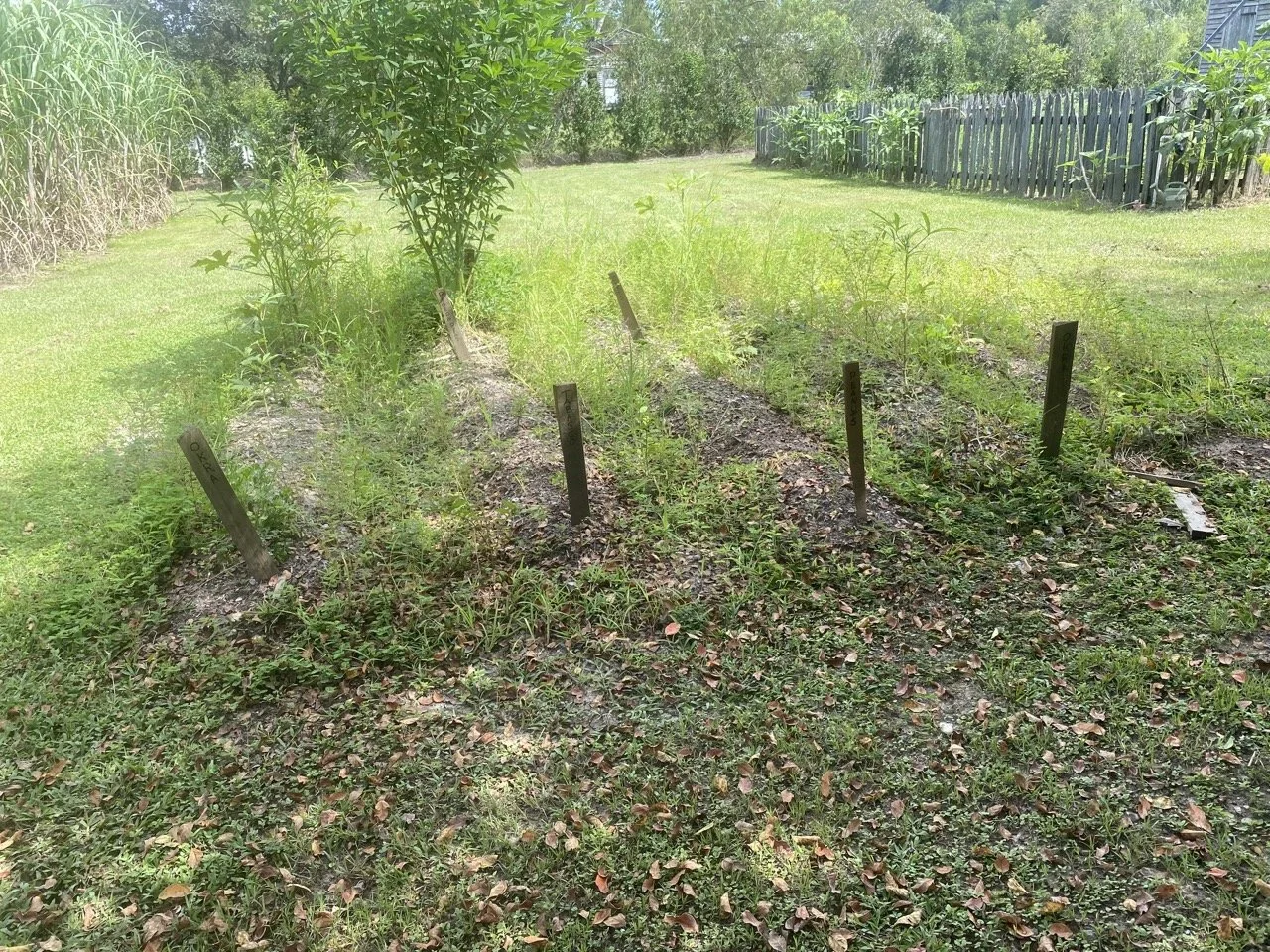
“Indigenous people of this continent have ancestral responsibilities and rights that others do not. Each of us is born with the opportunity to serve our community in a way that fulfills a need. My energy goes towards forging relationships with the plants from this region that remain.”
“Taking the project from its inception to completion helped us deepen our respective creative practices and our relationships with each other and our collaborators. It’s also a process that we invite others to copy freely and use as a blueprint for making similar work in different social and geographic contexts.”
“East, West, North, South, each occupy equal weight on the compass, and all regions enjoy autonomy and self-determination to their fullest possible expressions. Poverty is a memory and prosperity is promised to all. We have achieved Utopia. Now, where do you want to eat?”
“I remember stepping off the plane and thinking, I've made it. This is the promised land. A utopia. A place where dreams come true. Unfortunately over the last decade, I've watched this vision of what America claims to be, fall apart right in front of my very eyes. This utopia is a dystopia in disguise.”
“Horseplay is fooling around. Horseplay workshop is organized fooling around. We are serious about practicing but not always serious within the practice.”
“There is one nurse,
One doctor,
One psychiatric specialist per 100,000 residents in a single district.”
“Providing care is not profitable because the value assigned to providing care is low, while the actual human cost to provide care is incredibly high.”
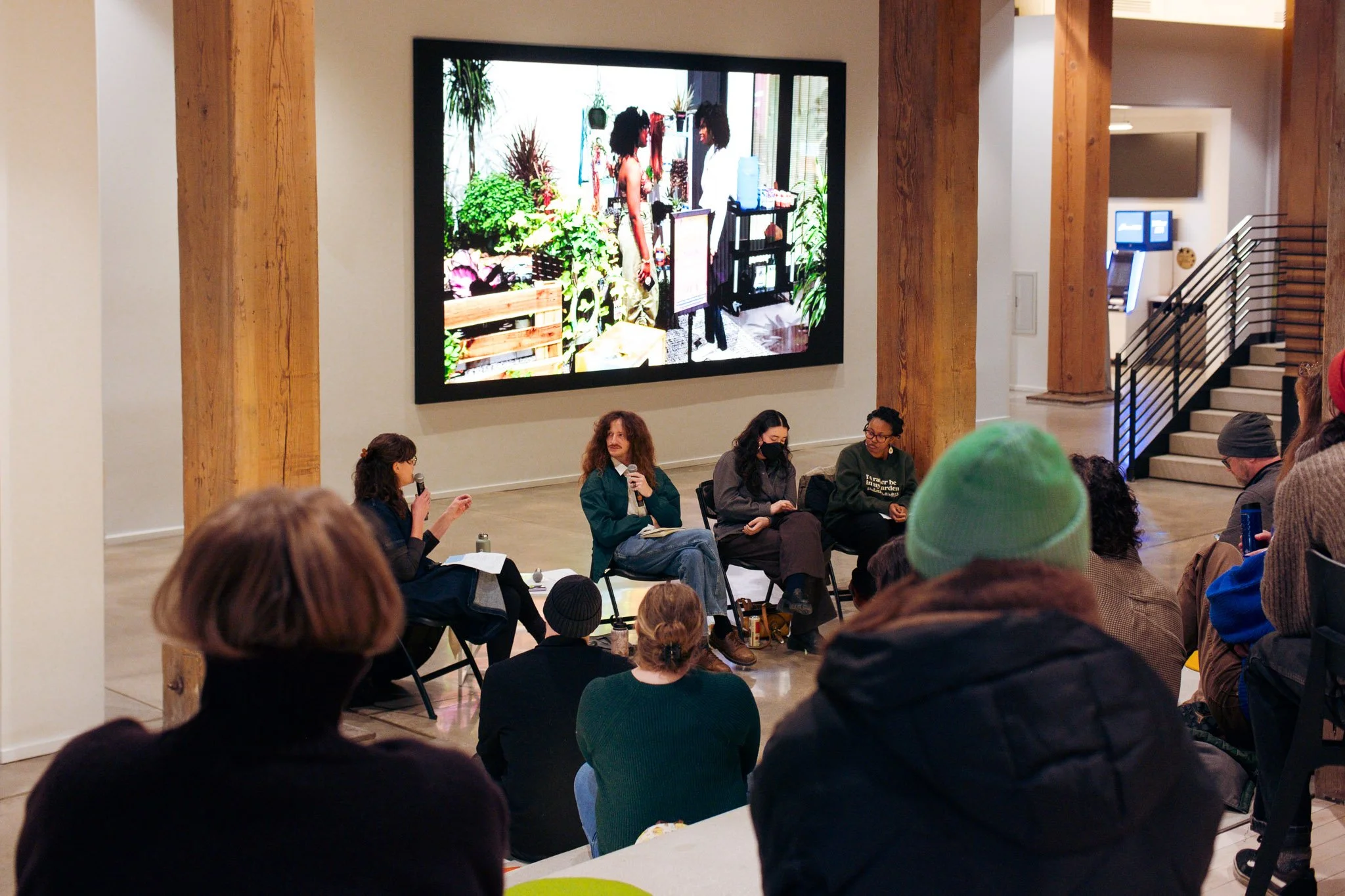
On September 27th, Annika Johnson, Diana Martinez, and Alajia McKizia joined Jared Packard to consider how critical and evaluative frameworks might change to more fully embrace the uncertainties, indecipherable rewards, and generative failures inherent in socially and politically engaged work.
“These communities helped me find my own value in art making, which is a rare and precious thing. But even in these spaces, the revolutionary spark can get lost.”
On March 29th Dawaune Lamont Hayes, Parker Krieg, Bilgesu Sisman, and Jared Packard sat down for a conversation that examines how artists are aligning their practices with anti-capitalist orientations, and the movement lineages they come from, to cultivate relationships, rest, and regenerative economies.
Panel Discussion
“It isn't just something that's for the wealthy or for the privileged or those who might be able to travel to see it. It is all of ours.”