AC Discussion | On Native Land: Land Acknowledgements in Cultural Institutions
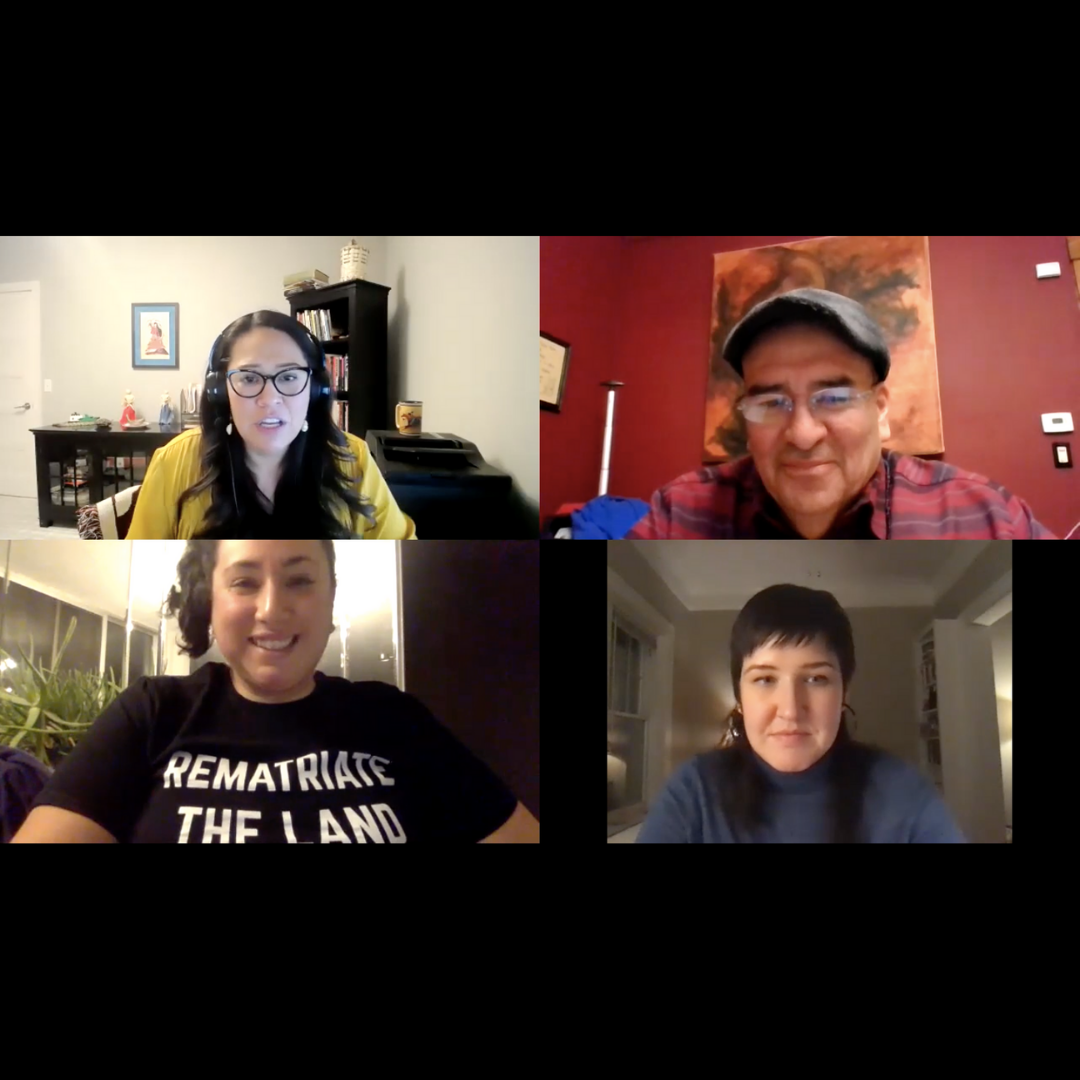
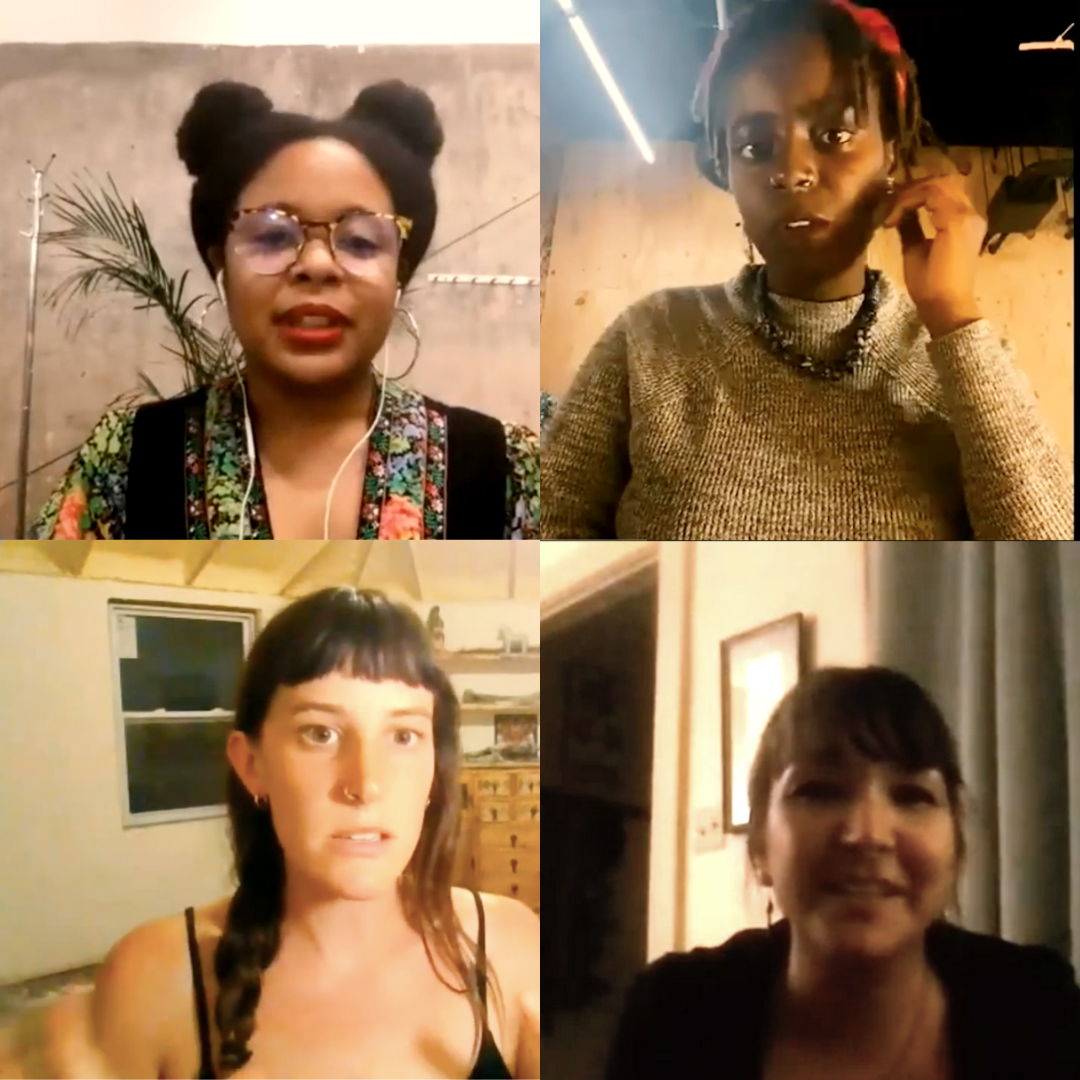
On January 28th, panelists Marisa Miakonda Cummings, Risa Puleo, and Steve Tamayo sat down for a virtual discussion, moderated by Annika Johnson, to examine land acknowledgements within cultural institutions and question their potential to move beyond performative activism and ignite real structural change.
Read More
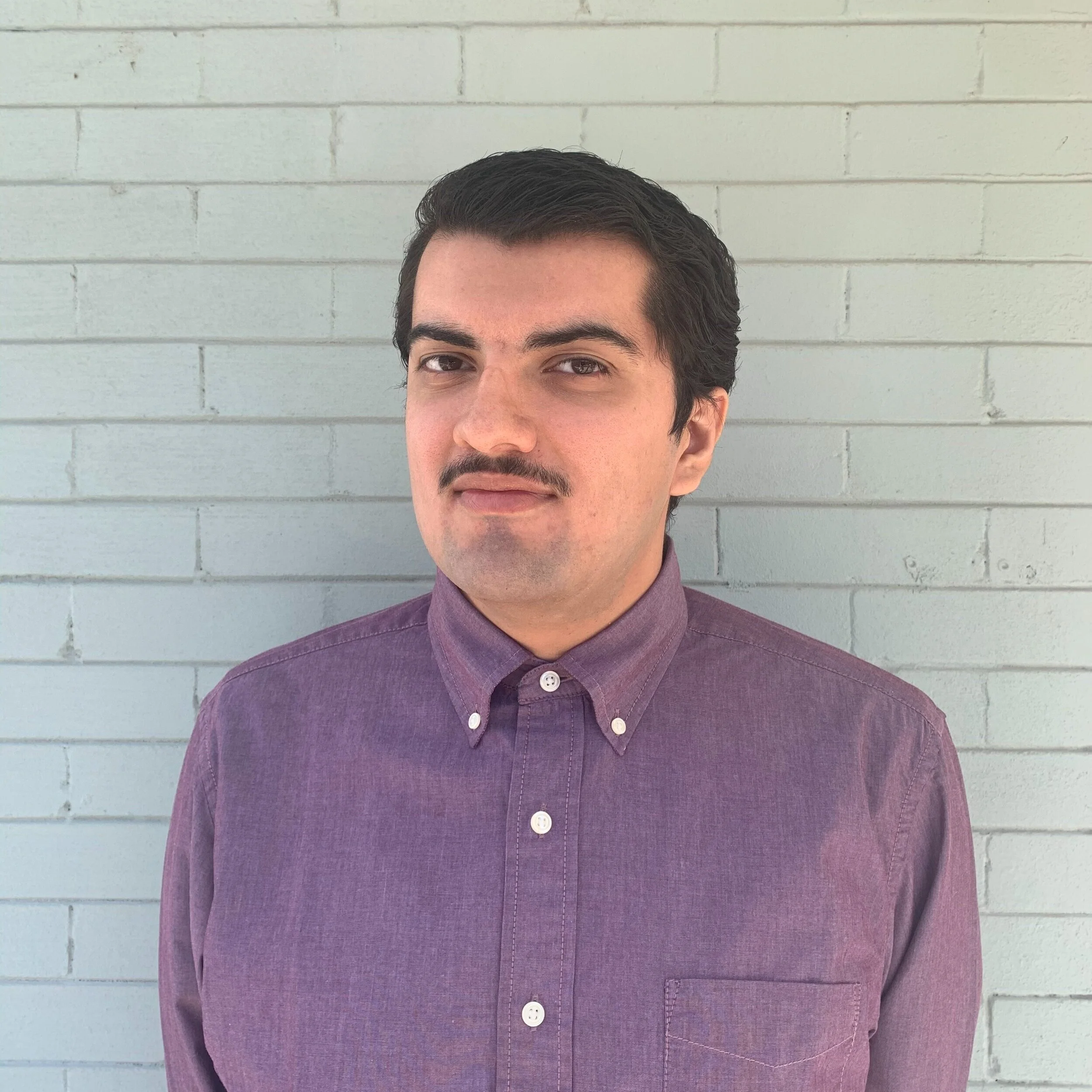
AC Interview | Nathaniel Ruleaux + Jonathan Orozco
“I just think the more people can understand that Indigenous people are greatly lumped together in our pop culture, in our textbooks, and the more that they can learn about the specific history of where they are, and the people whose land they're on, the more good they can actually do and the more that they can actually get involved.”
Read More
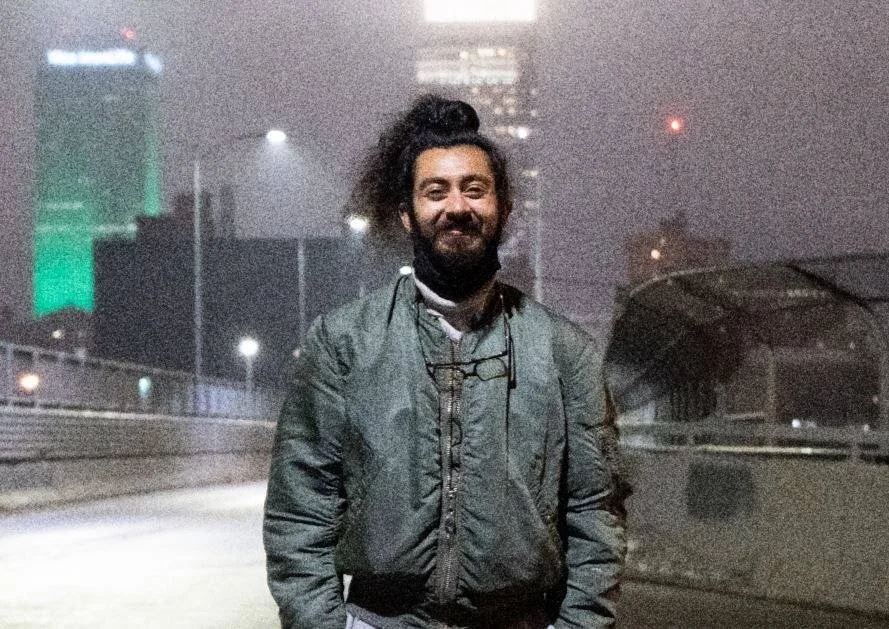
Jonathan Orozco | Land Acknowledgements in Cultural Institutions
“Inspiring action is far more important than letting a Land Acknowledgement enter one ear and leave through another, but more often than not, very little is done by cultural institutions to honor them. This is unfortunately all too common.”
Read More
Ameen Wahba | Solastalgia, Water Over White Stones
“By coming into nature, we find a space to recalibrate ourselves to the reality that we are connected. As we lose these spaces to climate change and ecological depletion, naturally - grief emerges.”
Read More
Cristián Doña-Reveco | Beyond the Responsibility to Protect: The US and Central American Immigration
“We recognize that global problems, such as environmental degradation, are not equally distributed in terms of its origins or effects. While higher income nations are responsible for the largest proportion of induced climate change, poorer countries suffer the largest negative effects from it.”
Read More
AC Discussion | The Labor of Care
On Thursday, October 8th, panelists Sarah Rowe, Alajia McKizia, and Cait Caughey sat down with moderator Lillian Snortland for a virtual discussion about about the labor of care and its capacity to propose regenerative modes of artistic production, mutual aid, economic transformation.
Read More
Ang Bennett | Reflections of Advocacy and the Thin Silver Line
“What does advocacy look like when parameters are put in place for it to fail? For one thousand, three hundred, and sixty-eight days, I watched as funding was pushed for new jails and prisons, finances that paid my salary, while aid for mental health facilities and community resources gradually got stripped away.”
Read More
AC Discussion | Environmental Justice
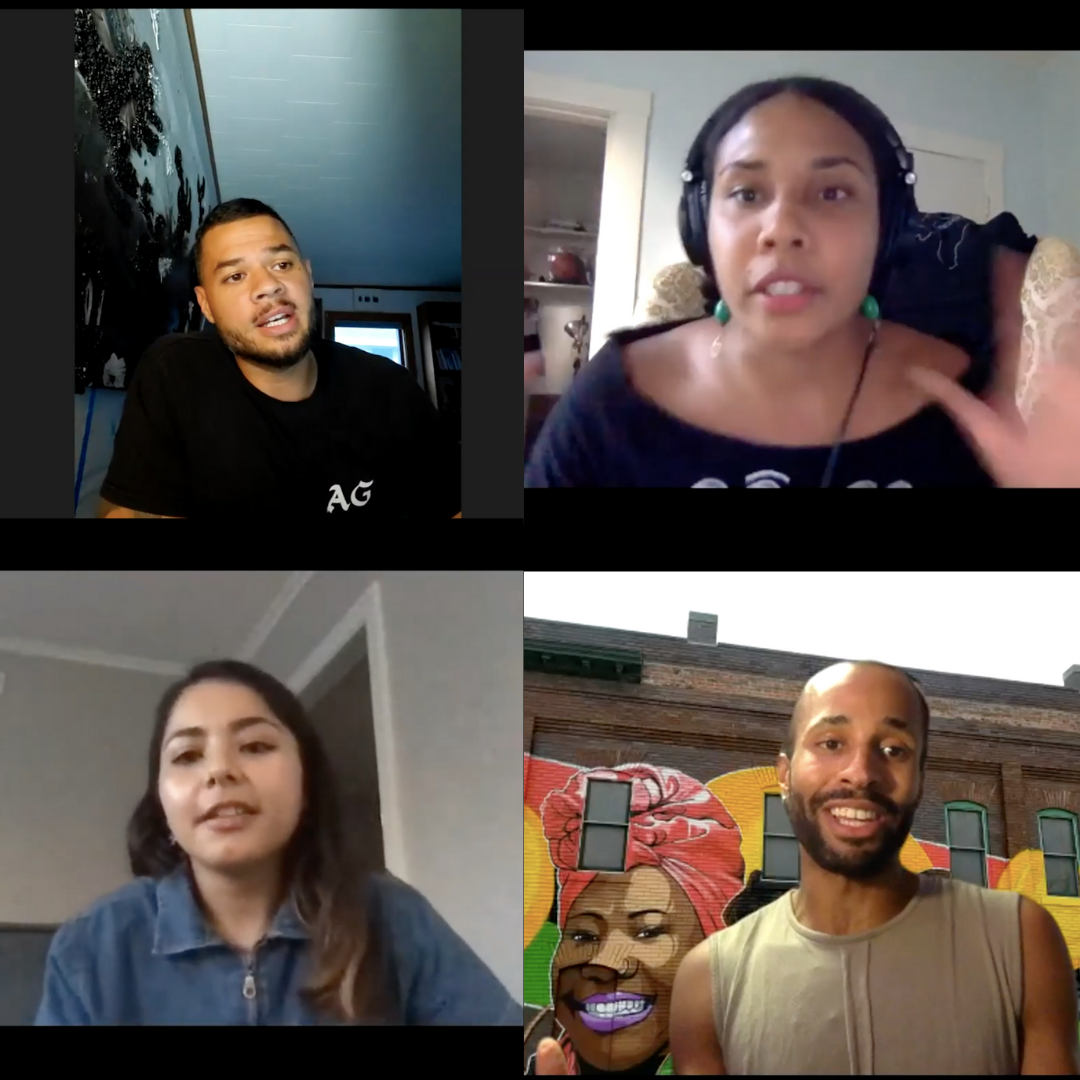
On Thursday, August 20th, Dawaune Lamont Hayes, Mayte Aldrett, Mary Lawson, and Jordan Weber sat down for a virtual discussion about creative activist practices that respond to conditions created by environmental racism through intervention or public demonstration.
Read More
AC Interview | Marisa Cummings + Annika Johnson: Part 2
“How can we start teaching people about federal Indian policy as part of their education; educating about them about the Indigenous people that are on the land they occupy; educating them that treaties are as meaningful to white people as they are to us?”
Read More
AC Interview | Steve Tamayo
“Just think about how powerful that is. Those kids ran all the way from Standing Rock to Omaha, from Omaha to Washington DC, to take tens of thousands of signatures to the Army Corps of Engineers, the BIA, the Department of the Interior. That alone acknowledges our survival, acknowledges our cultural teachings.”
Read More
Corson Androski | Before Parks
“There was this really incredible unexpected difference between my experiences in the National Parks and in this trashed ravine next door. I wanted to understand why Elmwood Park meant so much more for me, was so much more transformative for my thinking on conservation and my artistic practice and my hope for the future generally.”
Read More
In Conversation
Marisa Cummings and Annika Johnson
“Pipelines are nothing new to Indian Country. What we're acknowledging now is the impact that these pipelines have not just on the ecological base of our lands, but on the health of our people.”
Read More
Neighborhood Organizing For A Crisis
By Alex O’Hanlon
“Do you know when the best time to plant a tree is? 20 years ago. Do you know the second-best time to plant a tree? Right now.”
Read More